

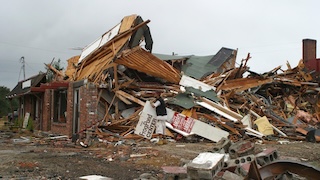

Japan’s altering city panorama displays a posh relationship between its architectural heritage, demographic transition, and modernization ambitions.
Across the nation, getting old residential buildings, outdated industrial properties, deserted constructions, and deteriorating infrastructure are creating an more and more essential want for redevelopment. While demolition is usually seen as an easy step in the direction of changing out of date constructions, the method brings its personal challenges. Below, we’ll discover a few of these challenges.
Growing strain to Remove Aging Structures
Japan’s constructing stock displays many years of financial growth, altering architectural preferences, and evolving building requirements. Many constructions erected throughout earlier intervals of speedy improvement now require substantial rehabilitation or full replacements. In smaller communities, inhabitants decline and family adjustments have additionally contributed to vacant properties that stay unused for prolonged intervals.
Abandoned buildings current issues past their deteriorating look. Roof injury, weakened foundations, water intrusion, and uncared for electrical methods can create hazards for neighboring properties and pedestrians.
Structural Instability and Complexity of Demolition Planning
Older buildings regularly include building strategies and structural preparations that differ significantly from up to date engineering practices. Some have undergone a number of renovations, making their authentic structural configuration troublesome to ascertain. Unauthorized modifications, deteriorated reinforcement, and undocumented additions can additional complicate preliminary assessments.
Japan’s seismic zone makes these concerns particularly essential. Consequently, demolition contractors should consider load distribution, basis situations, adjoining constructions, and potential floor motion earlier than selecting an applicable dismantling technique.
Environmental Contamination
One of probably the most consequential challenges related to older Japanese buildings is the presence of hazardous building supplies. Asbestos, traditionally included into insulation, fireproofing, roofing, and different constructing merchandise, stays a priority when constructions containing these supplies endure renovation or demolition.
While Japan prohibited the manufacture and use of asbestos-containing merchandise in precept by 2006, older buildings should include supplies put in earlier than the restrictions took impact. Disturbing these merchandise can launch microscopic fibers into the encircling air, creating publicity dangers for demolition staff and close by residents.
Protecting Workers From Long-Term Occupational Hazards
Construction security discussions regularly emphasize rapid risks, together with falling objects, equipment accidents, and structural collapse. However, demolition additionally exposes staff to hazards whose penalties might emerge years after the unique work is full. Asbestos publicity illustrates this distinction. Inhaled fibers can stay within the physique and contribute to critical illnesses, together with mesothelioma.
Additionally, the lengthy latency interval makes occupational well being documentation significantly essential. In some circumstances, people whose sickness was attributable to asbestos might examine whether or not they have grounds for a mesothelioma lawsuit, significantly when historic office publicity and the circumstances surrounding it warrant authorized assessment.
Construction Waste
Demiliton generates substantial portions of concrete, metal, timber, glass, and different building supplies. Managing this waste responsibly is crucial in a rustic the place land availability, useful resource effectivity, and environmental safety affect city planning choices. Japan has developed a longtime framework for building waste recycling via its building materials recycling regulation.
Achieving efficient supplies restoration requires cautious coordination. There are additionally financial concerns. For instance, recovered metal and concrete can retain industrial worth, whereas reusable parts might help different building tasks. However, the monetary advantages rely on the situation of the supplies, processing prices, transportation distances, and availability of appropriate recycling amenities.
Endnote
Demolishing Japan’s getting old buildings and infrastructure is an more and more essential part of the nation’s city transformation. However, profitable redevelopment requires greater than environment friendly equipment and technical parts contractors. Structural assessments, environmental investigations, occupational well being protections, and accountable waste managers should work collectively all through the method.