


TOKYO –
Japan is transferring towards a brand new period of classroom studying, with colleges set to mix printed and digital textbooks from the 2030 educational 12 months, whereas interactive encyclopedias geared up with speaking pens and synthetic intelligence are already giving younger kids new methods to discover animals, nature and the world round them.
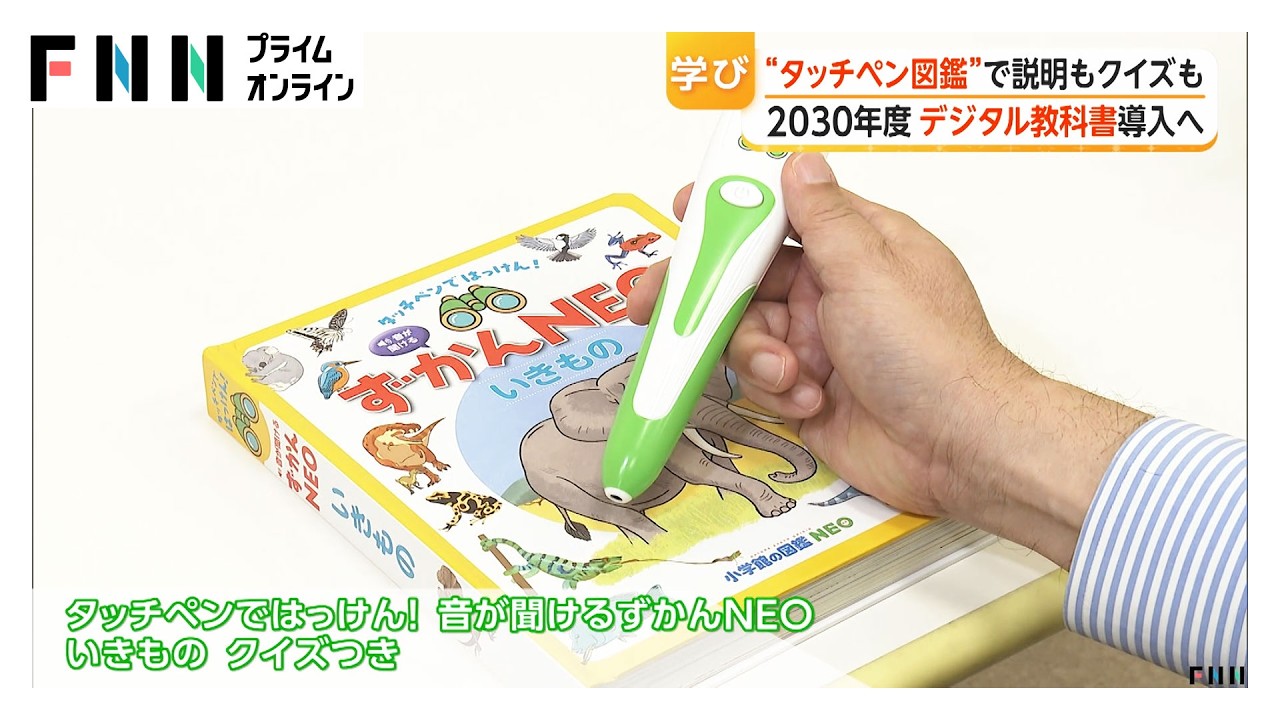
One of the most recent merchandise is an interactive encyclopedia launched by writer Shogakukan in November, designed to assist kids uncover dwelling creatures just by touching illustrations with a particular digital pen.
The e book, titled “Touch Pen Discovery! Encyclopedia NEO: Living Creatures With Sounds and Quizzes,” options greater than 350 species, starting from mammals, birds and bugs to dinosaurs.
Children choose the data they need to hear and contact an illustration with the pen, which then performs the corresponding audio. The system can pronounce animal names, present detailed explanations and ask questions via interactive quizzes.
The expertise depends on a tiny digital camera constructed into the tip of the pen. When positioned in opposition to a web page, the digital camera acknowledges microscopic patterns printed alongside the illustrations, triggering prerecorded audio related to every picture.
Unlike typical digital studying supplies, the system retains the acquainted expertise of studying a bodily e book whereas including interactive options that enable kids to discover independently.
The strategy displays broader modifications underway in Japan’s schooling system. From the 2030 educational 12 months, the federal government plans to introduce a framework through which printed and digital textbooks can be utilized collectively, giving colleges entry to instructional supplies incorporating movies, animations and different multimedia options.
Shogakukan developed its speaking encyclopedia notably for preschool kids who haven’t but developed the studying abilities wanted to know typical reference books.
Kenta Tomohara of Shogakukan’s encyclopedia editorial division defined that the digital pen was designed to function an introduction to encyclopedias for youngsters who haven’t but entered elementary faculty.
The response from younger customers suggests the expertise is attaining that goal. One youngster making an attempt the encyclopedia enthusiastically declared, “It’s fun!” and continued touching illustrations, keen to find what sounds would come subsequent.
Parents have additionally welcomed the interactive strategy, notably its skill to encourage kids to analyze topics with out fixed help.
A mom in her 30s mentioned she was impressed by her kid’s willingness to discover the encyclopedia independently. “My child is actively trying to listen and learn without being prompted, so I think it’s stimulating their curiosity,” she mentioned.
Other dad and mom pointed to the sensible benefits of the speaking pen, which may pronounce unfamiliar animal names and supply explanations that adults may in any other case must learn aloud.
For dad and mom accustomed to studying encyclopedias to their kids, having a tool that identifies animals routinely could make studying classes simpler and extra fulfilling.
The builders additionally see alternatives for the expertise to strengthen communication between dad and mom and youngsters moderately than exchange their involvement.
Tomohara mentioned kids may hearken to an evidence after which share what they’d discovered with their moms, creating new alternatives for dialog. “That’s exactly how we want families to enjoy using it,” he mentioned.
Interactive encyclopedias are additionally extending past the house, with smartphone expertise permitting kids to show visits to zoos and aquariums into instructional experiences.
One instance is “Earth Saver Quest,” an interactive encyclopedia software that makes use of synthetic intelligence to establish animals photographed with a smartphone.
At a zoo, kids can level their telephones towards an animal, take an image and obtain an computerized identification via the app. They can then reply quizzes and be taught extra in regards to the species they’ve encountered.
The system is meant to deepen kids’s curiosity in wildlife by connecting data in an encyclopedia with animals they will observe in actual life.
Hayaki Fujita, chief expertise officer and director of app developer vildas, mentioned the corporate needed to create a product that may encourage kids to consider the planet’s future whereas having fun with visits to zoos and aquariums.
The app combines animal recognition with instructional quizzes, turning an unusual outing into a chance to find out about biodiversity and environmental points.
Both merchandise mirror a rising emphasis on making studying interactive, notably for youthful kids who could discover typical reference books tough to navigate.
The digital pen permits preschoolers to entry data without having to learn, whereas AI-powered smartphone purposes encourage kids to analyze animals they encounter outdoors the classroom.
Rather than abandoning printed supplies, the rising strategy combines the bodily expertise of books with the extra capabilities of digital expertise.
As Japan prepares to introduce digital textbooks extra broadly from 2030, publishers and expertise builders are already demonstrating how multimedia instruments can stimulate kids’s curiosity, encourage impartial discovery and create new alternatives for households to be taught collectively.
Source: FNN